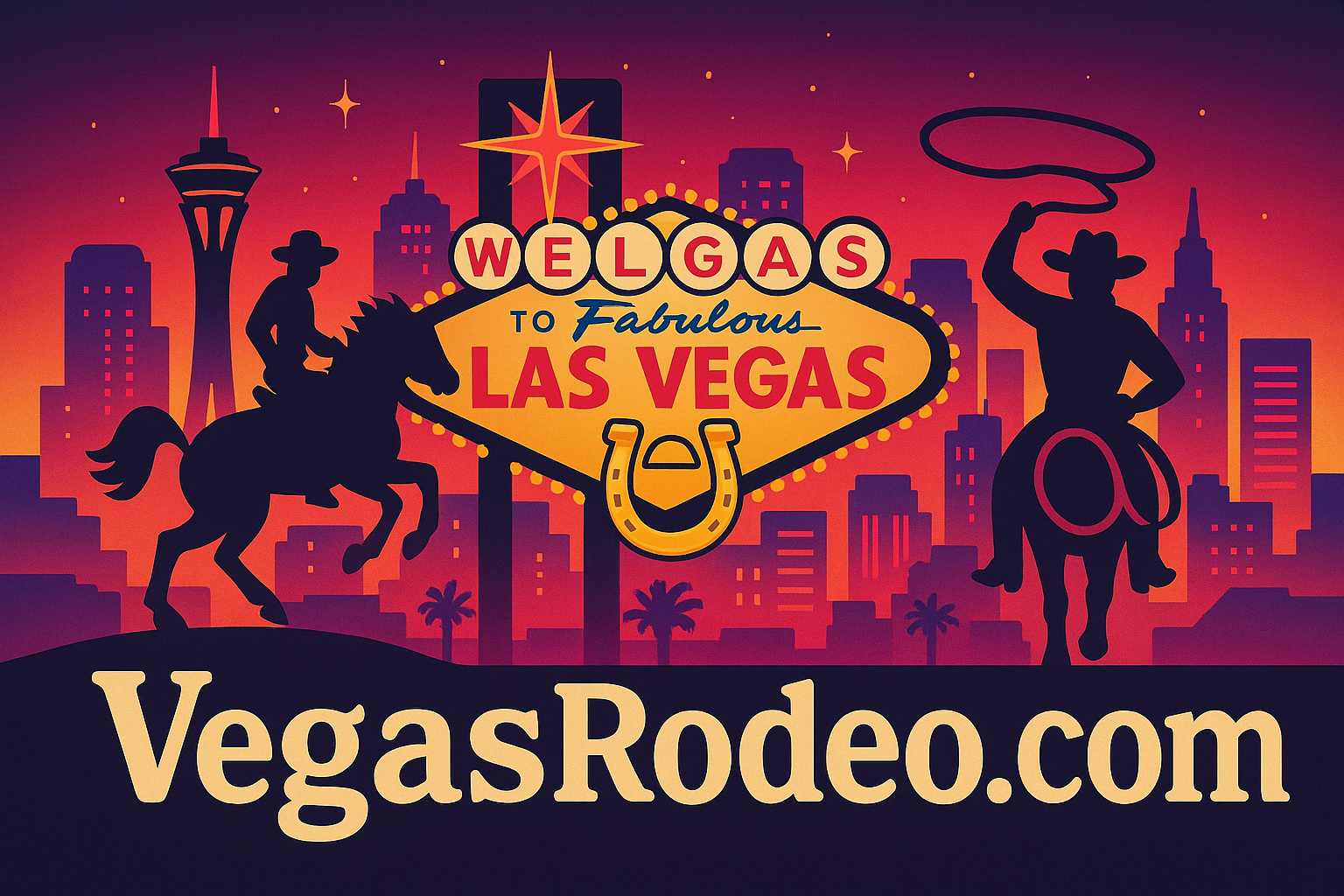


Behind every electrifying Las vegas Rodeo performance are living, breathing athletes - both human and animal. The horses, bulls, and steers that power vegas rodeos are more than props; they’re central characters in the story. At the same time, the rodeo world faces ongoing scrutiny and evolving standards around animal welfare. This article explores how heritage, horsemanship, and modern welfare practices intersect in the Las Vegas Rodeo environment, and how platforms like VegasRodeo.com™ can help educate and inform fans.
The Legacy of Horsemanship in Rodeo
Rodeo is rooted in the everyday work of cattle ranching, where good horsemanship was synonymous with survival and efficiency. From the vaqueros of colonial Mexico to the cowboys of the American West, riders depended on their horses to manage vast herds, navigate rough terrain, and handle unpredictable livestock.
In modern vegas rodeos, that horsemanship heritage remains front and center. Tie-down ropers, team ropers, steer wrestlers, barrel racers, and breakaway ropers all rely on highly trained horses that understand the job as well as their riders do. A well-bred, well-trained horse can anticipate a calf’s move, rate a steer, or hug a barrel with inches to spare - often making the difference between a world-title run and a missed payday.
At the Las vegas Rodeo, fans regularly cheer as loudly for the horses as for the humans. Commentators highlight equine bloodlines and training stories. Riders thank owners and trainers in post-run interviews. Platform features on VegasRodeo.com™ can further spotlight these horses, giving fans deeper appreciation for their athleticism and intelligence.
The Care and Management of Equine Athletes
High-level rodeo horses receive care that rivals that of elite athletes in any sport. Their routines in Las Vegas and other vegas rodeos typically include:
- Specialized diets tailored for performance, including high-quality forage, grains, and supplements.
- Regular veterinary checks to monitor soundness, respiratory health, and overall condition.
- Farrier work to ensure hooves are balanced and properly shod for arena footing.
- Therapies and recovery tools like massage, chiropractic care, cold therapy, and stretching routines.
- Rest schedules that balance the demands of competition with the need to prevent fatigue and overuse injuries.
Trainers and owners pay close attention to arena ground conditions, adjusting warm-ups and run strategies accordingly. In Las Vegas, footing is closely engineered and maintained to provide consistency and reduce the risk of slips or strains, especially in fast events like barrel racing and tie-down roping.
VegasRodeo.com™ can help demystify these practices by sharing behind-the-scenes content: interviews with veterinarians, farriers, and equine therapists who keep horses performing at their best while protecting their long-term health.
Bucking Stock: Breeding and Welfare
Bucking horses and bulls are central to the spectacle of vegas rodeos. Far from being random “wild” animals, they are the result of deliberate breeding and conditioning programs designed to produce powerful, athletic, and durable competitors. Stock contractors invest heavily in genetics, nutrition, and handling to build lines of broncs and bulls known for their consistency and intensity.
Welfare practices for bucking stock in Las Vegas and at other major rodeos typically include:
- Balanced diets and free-choice access to clean water.
- Large pens or pastures for turnout between events, allowing animals to move freely and rest.
- Health monitoring by veterinarians experienced in performance livestock.
- Transport standards aimed at minimizing stress during travel to and from events.
Contrary to some misconceptions, a top bucking horse or bull is financially and emotionally valuable to its owner. Well-cared-for animals can compete for years and then retire to breeding programs. VegasRodeo.com™ can play a role in educating fans and the broader public about these realities, providing accurate information that counters outdated narratives.
Rodeo Rules, Oversight, and Animal Welfare Standards
Professional rodeo organizations have formal rules and guidelines designed to protect animal welfare. These often include:
- Mandated on-site veterinarians.
- Restrictions on equipment (e.g., spur rowel design, flank strap construction).
- Penalties for mistreatment or excessive roughness.
- Minimum and maximum weight and size guidelines for livestock in specific events.
Las vegas Rodeo events, especially the NFR, operate in a highly regulated environment where animal welfare is closely watched by officials, veterinarians, and media. Violation of rules can lead to fines, disqualifications, or suspensions. Over time, standards have tightened, and new technologies have improved oversight, from video review to better data tracking on the health and performance history of individual animals.
By featuring articles on these rules and how they’re enforced, VegasRodeo.com™ can help fans understand the systems in place and the ongoing efforts to improve them.
Addressing Public Concerns and Misconceptions
Despite robust welfare protocols, rodeo remains under scrutiny from some animal rights groups and concerned members of the public. Common questions involve the use of flank straps, spurs, and roping techniques, as well as the risk of injury to animals during competition.
Constructive dialogue requires transparency and education. VegasRodeo.com™ is well-positioned to host FAQ content, expert interviews, and explanatory videos that address these concerns honestly. Features might include:
- Demonstrations of rodeo equipment and how it’s designed to avoid injury.
- Veterinarian perspectives on injury rates and care protocols.
- Stories of retired bucking horses and bulls living out their days on ranches.
- Case studies of rule changes made in response to welfare research.
By facilitating informed conversations, the platform can support both fans who love vegas rodeos and those who want reassurance that animals are treated with respect.
Cultural Respect for Animals in Western Heritage
In traditional ranch culture, cattle and horses are not just tools; they are partners and livelihoods. This ethic of respect carries into modern rodeo. Many riders talk openly about their deep bonds with their horses, describing them as family members or teammates. Stock contractors speak with pride about bulls and broncs whose names fans recognize and cheer for.
The Las vegas Rodeo environment magnifies that bond. When a horse makes a flawless barrel run or a bull delivers a legendary bucking performance, the crowd’s reaction affirms that these animals are not disposable extras; they are stars. VegasRodeo.com™ can highlight heartwarming stories of horse-and-rider partnerships that lasted a decade, or of bulls that became crowd favorites for their consistent power and character.
Injury, Recovery, and Hard Realities
No honest discussion of animal welfare in rodeo can ignore the fact that injuries do occur. Just as in human sports, competition carries risk. The key questions are how often injuries happen, how they’re handled, and what steps organizers take to reduce them.
In Vegas and other major rodeos, veterinarians are on site to respond immediately when something goes wrong. Decisions about whether to continue competing, retire an animal, or pursue intensive treatment are made on a case-by-case basis, with animal welfare as the primary consideration. Data collection and research help refine ground preparation, stock selection, and event formats to minimize risk where possible.
VegasRodeo.com™ can support a mature understanding of these realities by sharing big-picture data and explaining the continuous improvement efforts within the industry, acknowledging that while risk can’t be eliminated, it can be responsibly managed.
Fans’ Role in Supporting Animal Welfare
Fans of vegas rodeos also play a role in shaping the sport’s future. Their expectations influence organizers, sponsors, and associations. When audiences reward transparency, celebrate good horsemanship, and show appreciation for responsible stock contractors, they encourage the entire ecosystem to prioritize welfare.
Practical ways fans can support animal welfare include:
- Choosing events and venues with strong welfare reputations.
- Learning about the rules and speaking up when they see something concerning.
- Supporting organizations and individuals who invest in research and better care.
- Sharing accurate information, rather than rumors, on social media.
VegasRodeo.com™ can empower this advocacy by offering tools for fans to learn, ask questions, and connect with reputable experts.
The Future of Horses and Livestock in the Las Vegas Rodeo Scene
As technology advances and public awareness grows, animal welfare standards will continue to evolve. We can expect ongoing innovation in:
- Arena footing technology and maintenance.
- Protective equipment for horses and riders.
- Data analytics on injury rates and contributing factors.
- Transportation and housing standards during high-profile vegas rodeos.
Rather than resisting these changes, many in the rodeo world view them as a natural extension of their heritage of good horsemanship and stockmanship. Caring for animals has always been at the heart of ranch life; modern science simply provides new tools to do it better.
VegasRodeo.com™ can help chronicle this evolution, spotlighting best practices and inspiring stories from veterinarians, trainers, and riders who view animal welfare as non-negotiable.
In the end, the Las vegas Rodeo story is not just about buckles and prize money. It’s about the deep, centuries-old relationship between humans and animals - a partnership built on work, trust, and shared challenge. When fans cheer a perfect run or an epic buck-off under the Vegas lights, they’re celebrating that relationship as much as the score on the board. Ensuring that animals are treated with respect and care is the only way to honor that legacy and keep vegas rodeos thriving for generations to come.